
In our ever-evolving world, majestic creatures often grapple with the challenges of rapid changes.
The elephant, the largest terrestrial animal, faces its struggle among these magnificent beings. What becomes of these gentle giants when they are displaced far from their natural habitat?

In the latest edition of our Field Notes, we take a deep dive into the realm of elephant translocations.
This lesser-known facet of conservation endeavors is essential in mitigating conflicts between humans and wildlife.

While we remain steadfast in our belief in the potential for peaceful coexistence between the two, achieving such harmony demands innovative solutions and unwavering dedication.
Join us this month as we unveil the profound impact of our efforts to “move mountains” to preserve these extraordinary creatures. – Angela Sheldrick
Repositioning Giants
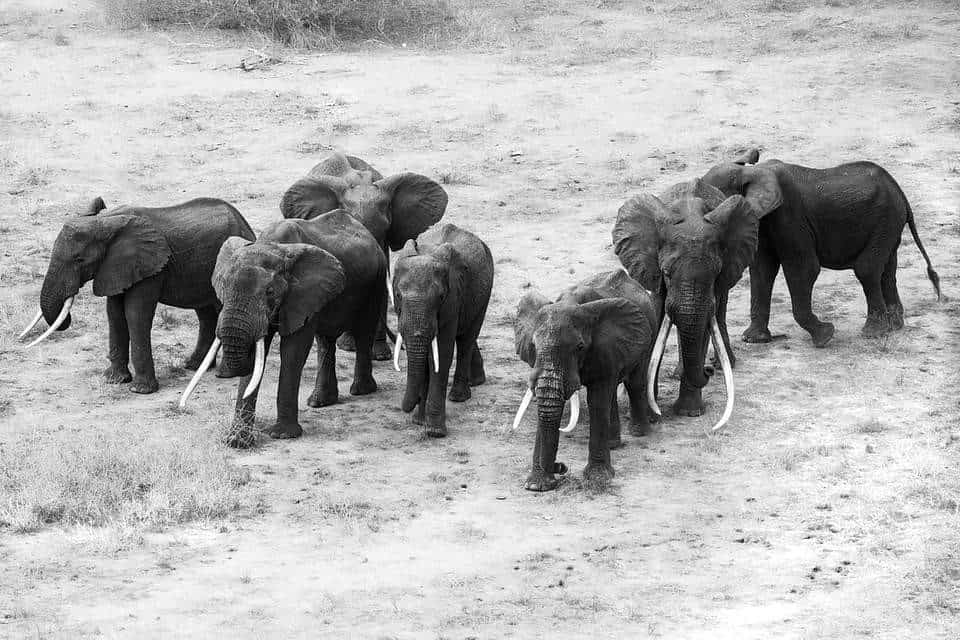
To reposition giants is to relocate elephants to safety. As the largest land animals, elephants wield considerable influence over their environment simply through their presence.
In drought, they utilize their strength to unearth water from dry riverbeds, unveiling hidden springs for all.
Their well-trodden paths to water sources aid in creating reservoirs during the rainy season, while their bathing activities help retain water.
Their dung is a valuable resource, carrying seeds that enrich the diversity of savanna vegetation.

Additionally, their movements rejuvenate barren landscapes, fostering grasslands where other herbivores thrive. Collectively, their daily activities contribute to sustaining a thriving ecosystem.
However, the substantial size of elephants can also pose challenges. As habitats disappear due to rapid development, these majestic creatures bear the brunt of the impact.
The freedom to roam is vital for their survival. Yet, traditional migration routes are increasingly disrupted by human infrastructure like farms, houses, roads, and urban areas, obstructing paths passed down through generations.

This presents a significant dilemma for both elephants and residents. When resources dwindle during droughts, elephants may stray beyond park boundaries in search of sustenance, encroaching on nearby villages.
This behavior, driven by survival instincts, can lead to conflicts with humans, particularly farmers whose crops become tempting targets.
Addressing the conflict between humans and elephants requires multifaceted approaches. Electric fencing has effectively mitigated such conflicts by creating barriers between habitats and communities.

Beehive fences offer a sustainable, non-threatening method by leveraging elephants’ aversion to buzzing bees.
However, these solutions face practical challenges in some regions, such as maintenance requirements and water accessibility. In areas where fencing isn’t viable, rapid response becomes paramount.
Collaborating with the Kenya Wildlife Service (KWS), our Anti-Poaching Teams serve as the first line of defense.

They maintain strong community relations, receiving alerts about roaming elephants and taking necessary actions to guide them back to safety.
While pilots play a crucial role in aerial assistance, guiding elephants back to protected areas, challenges arise, especially when dealing with large groups or navigating obstacles like roads and railways.
Despite concerted efforts, there are instances where traditional paths are impassable. In such cases, alternative methods must be devised to ensure elephants’ safe return to protected areas.

Recognizing the growing need for translocations, we established the Tsavo Elephant Translocation Unit in 2020, equipped with specially designed trucks capable of safely transporting these massive animals.
Each translocation is meticulously planned, with KWS veterinarians ensuring the elephant’s sedation and monitoring its well-being throughout the journey.
Despite the challenges, our team remains committed to providing these majestic animals a fresh start, safeguarding elephants and neighboring communities.


Read more Elephant News.


