
Twelve retired circus elephants have recently started a new chapter in their lives at White Oak Conservation in Nassau County, Florida. This move represents a significant improvement in their quality of life after years of captivity.
Previously, these elephants were stars of the Ringling Bros and Barnum & Bailey Circus, where they entertained audiences but missed out on living in their natural environment.
Following persistent advocacy from animal rights and wildlife protection organizations, Ringling Bros decided to end their use of elephants in shows, leaving the animals needing a new home.
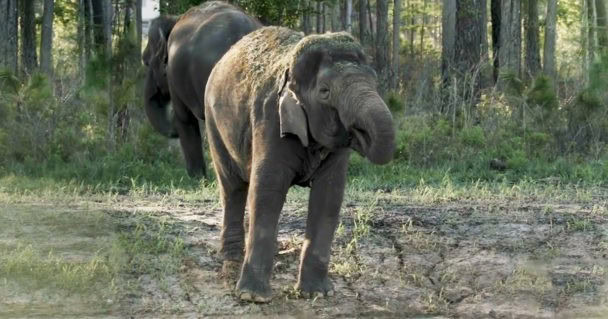
White Oak Conservation stepped up to offer these elephants a habitat that resembles their natural surroundings.
The sanctuary acquired a large piece of land in Florida, giving the elephants the space to roam, bathe, and forage as they would in the wild.
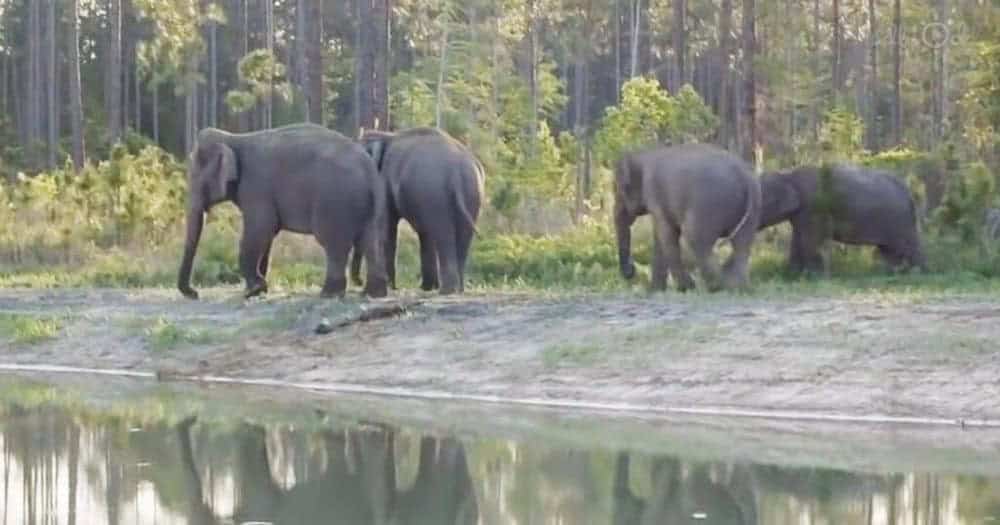
Already, the elephants have begun to form social bonds and establish a herd hierarchy, signaling their adjustment to their new setting.
The sanctuary currently houses 12 retired elephants, with plans to accommodate over 20 more shortly.
Efforts are underway to expand the sanctuary to support the growing herd, helping ensure these elephants thrive in their new environment.
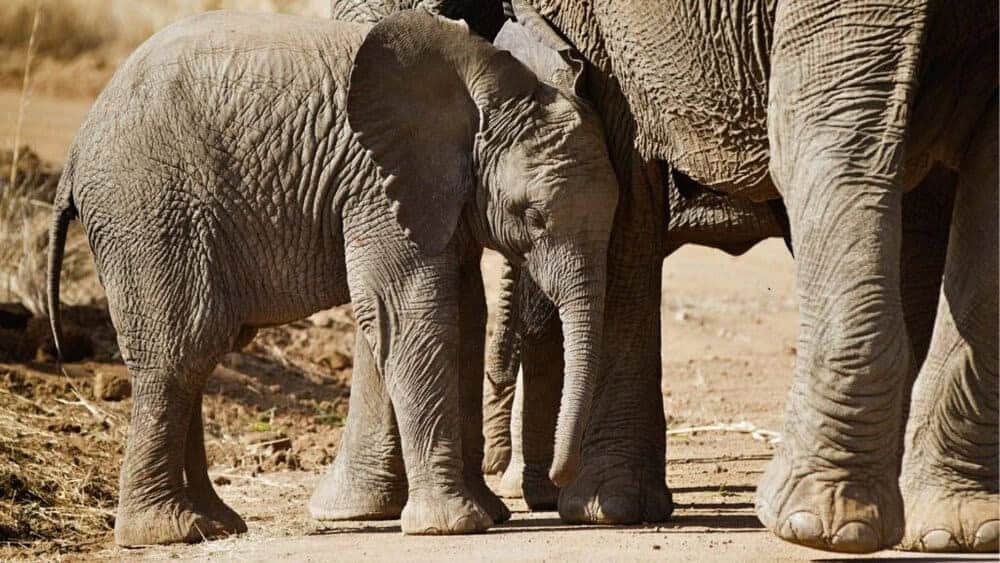
Elephants, the largest land animals, vary in weight depending on their species and age. African elephants, the larger of the two species, can weigh between 5,000 and 14,000 pounds, with males being heavier than females.
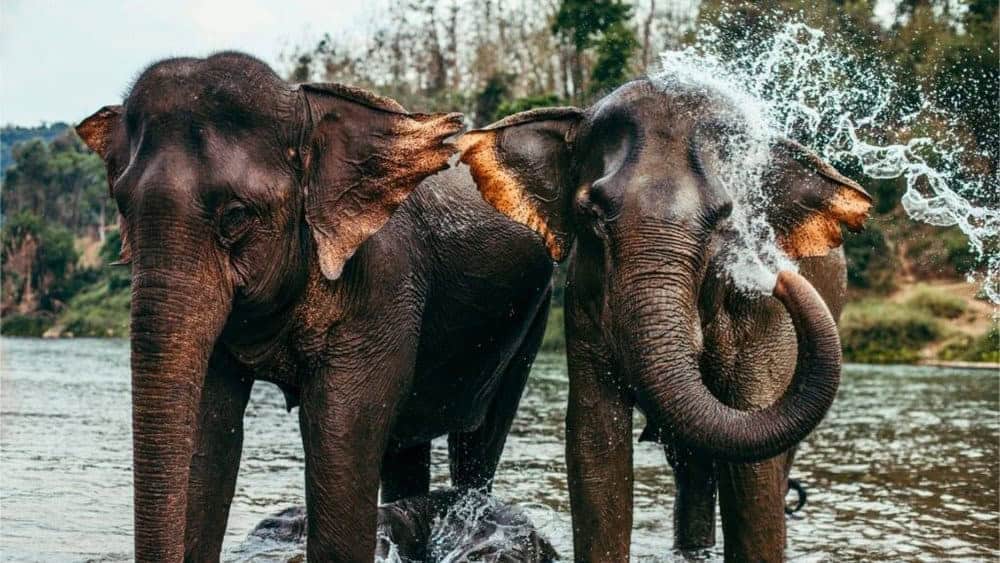
Asian elephants are smaller, with males weighing between 4,500 and 11,000 pounds and females between 3,000 and 6,000 pounds.
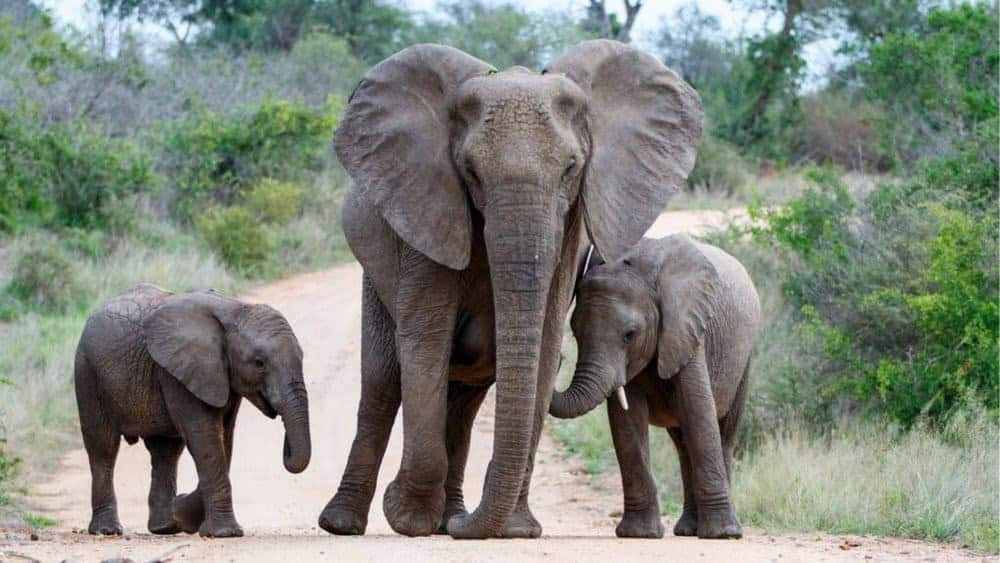
Elephants have one of the longest gestation periods of any mammal, ranging from 18 to 22 months.
African elephants typically carry their young for about 22 months, while Asian elephants have a slightly shorter gestation period of 18 to 22 months. This extended pregnancy ensures that the calf is well-developed and can walk shortly after birth.
In the wild, African elephants live between 60 to 70 years, while Asian elephants have a lifespan of around 48 to 60.
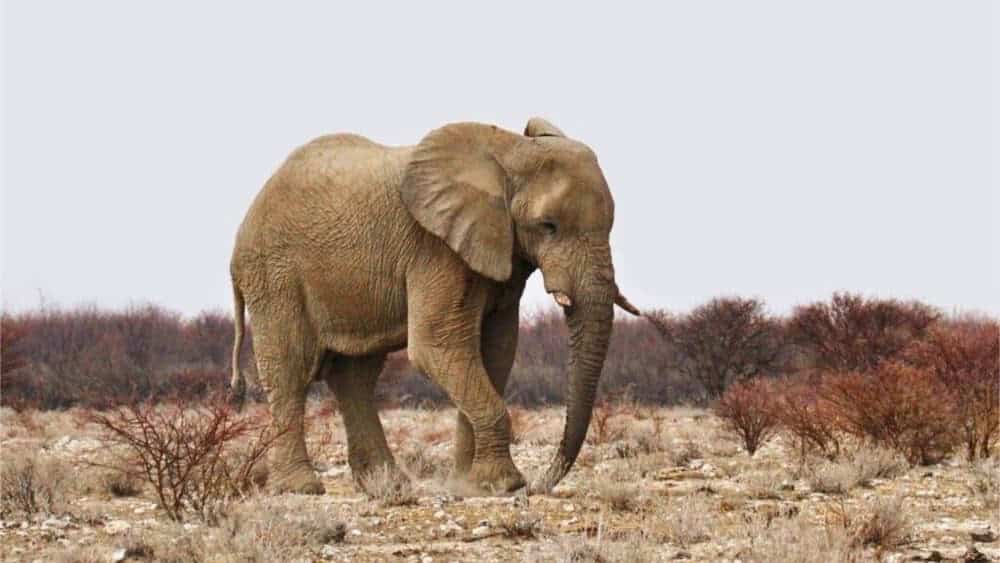
Captivity can sometimes extend their lifespan due to regular veterinary care and the absence of predators, although conditions can affect longevity.
As herbivores, elephants primarily eat plant-based foods, including grasses, leaves, bark, fruits, and roots.
African elephants consume more grass, while Asian elephants prefer woody plants. An adult elephant can eat up to 300 pounds of food daily.
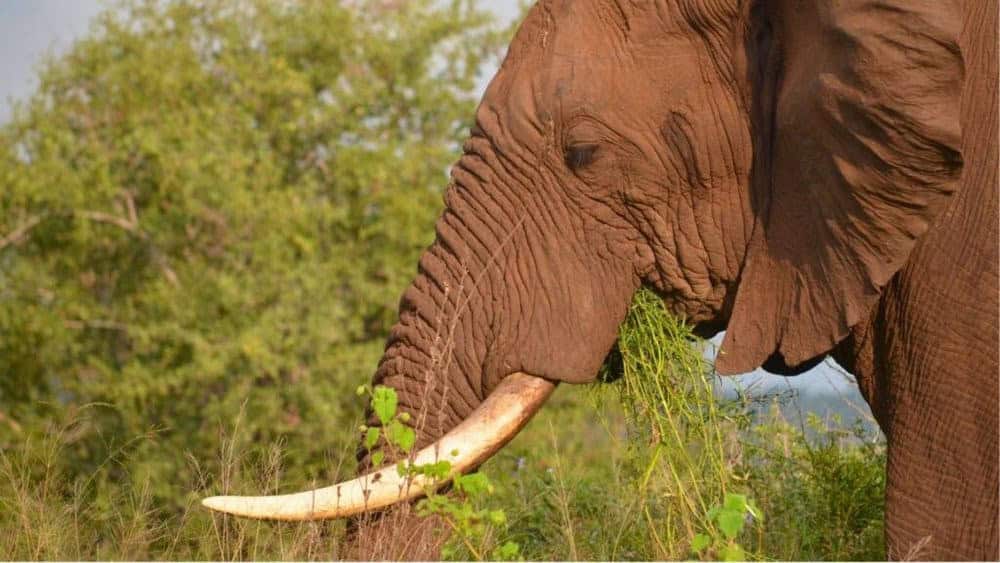
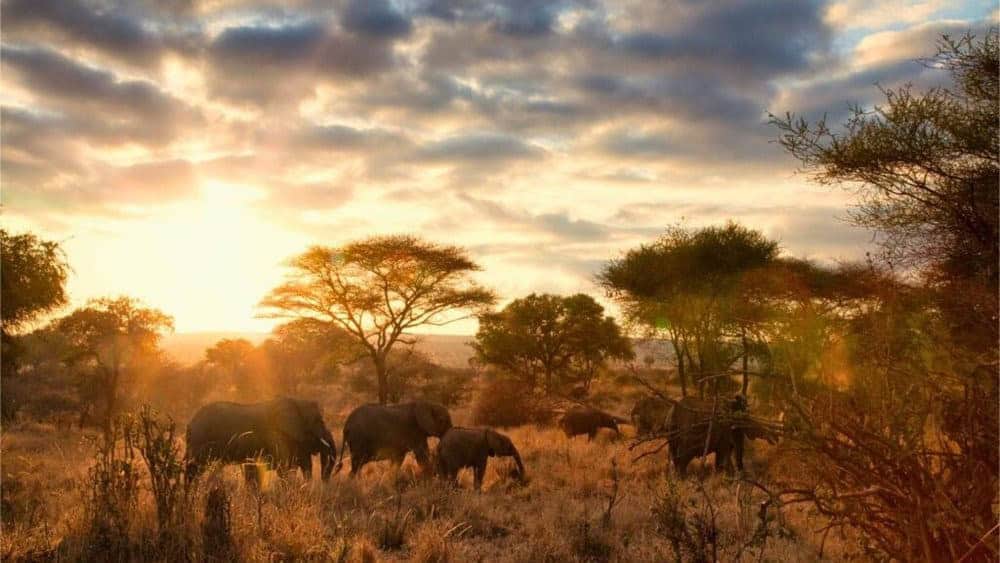
Elephants inhabit a wide range of environments across Africa and Asia. African elephants are found in savannas, forests, deserts, and marshes across Kenya, Tanzania, Botswana, and South Africa.
Asian elephants live in forests, grasslands, and scrublands in countries like India, Sri Lanka, Thailand, and Indonesia.
A common myth is that elephants are afraid of mice, but no scientific evidence supports this. Elephants have poor eyesight and are unlikely to notice small creatures like mice.
Any reaction to sudden movements is more likely a response to surprise rather than fear. Elephants are more concerned with larger threats like predators or humans.
Elephants are classified as endangered, African elephants categorized as vulnerable, and forest elephants, a subspecies, are critically endangered.
Asian elephants are also listed as endangered. Major threats to their survival include habitat loss, human-wildlife conflict, and poaching for ivory.
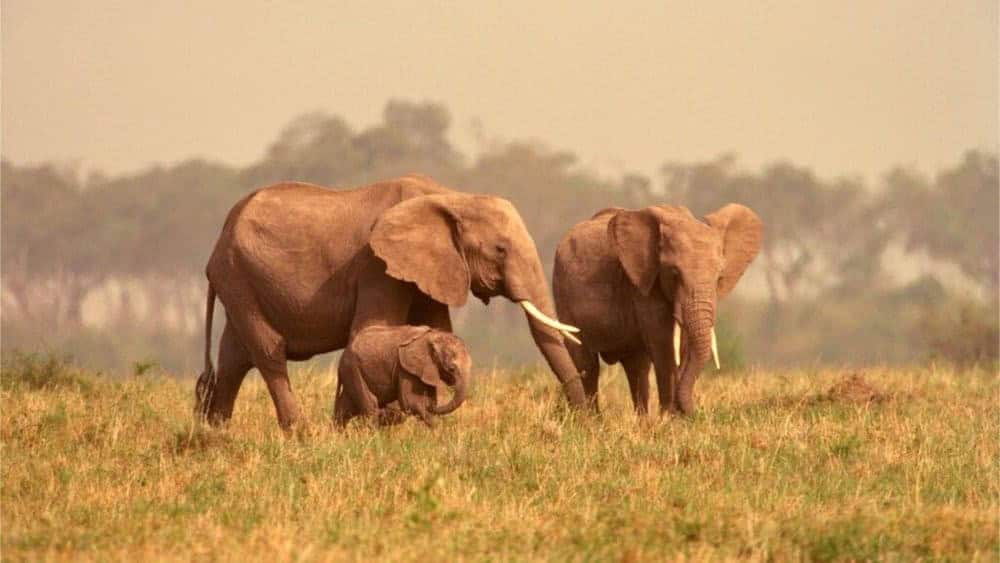
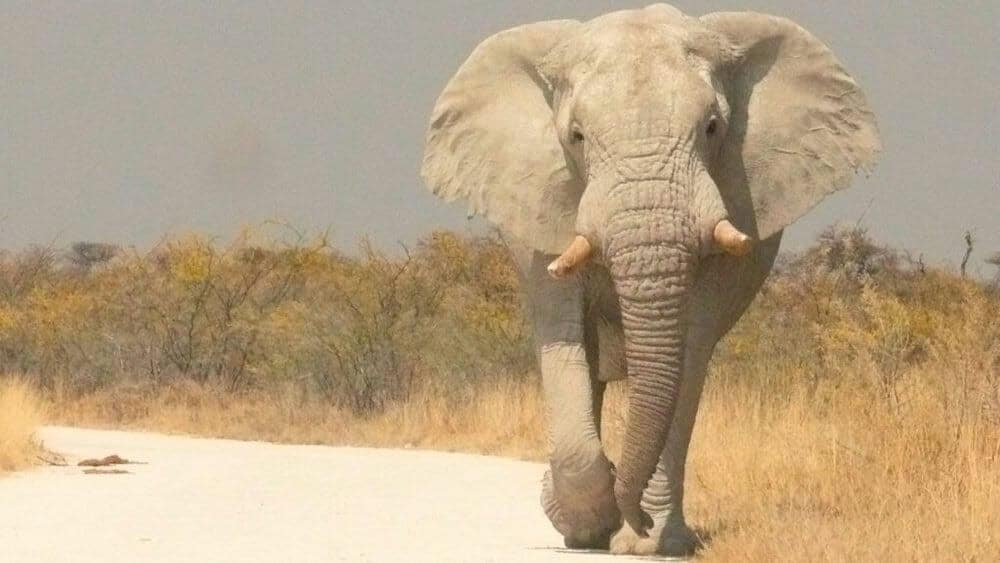
In African elephants, both males and females usually have tusks. In Asian elephants, only a few males have tusks, while females generally have small tusk-like structures called tushes, often hidden inside their mouths.
Read more Elephant News.


