
Tiger numbers have seen significant growth in several countries over the past decade, with notable successes in India and Nepal, according to the World Wildlife Fund (WWF).
This progress follows the launch of TX2, a major initiative aimed at doubling the global tiger population by 2022.
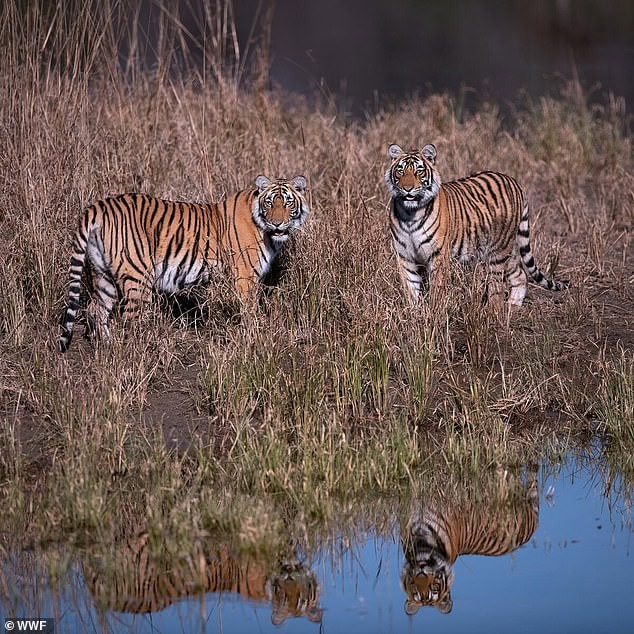
When TX2 was introduced in 2010, it was estimated that only about 3,200 tigers remained in the wild across 13 countries. The project aimed to increase their numbers by the next Chinese Year of the Tiger in 2022.
In India, tiger populations have more than doubled from approximately 1,400 in 2006 to around 3,350 by 2018, representing about 75% of the world’s total tiger population.
Nepal has also seen impressive growth, with its tiger count rising from 121 in 2009 to 235 by 2018. Notably, Bardia National Park in Nepal’s tiger population increased from 18 in 2008 to 87 in 2018.
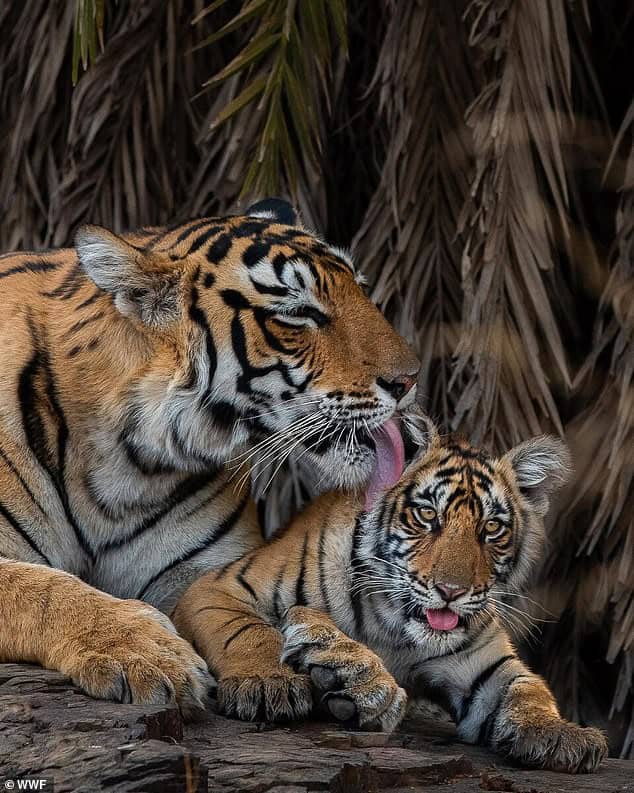
Russia has experienced a 15% increase in Amur tiger numbers over the past decade, bringing the total to about 540.
In Bhutan, the Royal Manas National Park’s tiger population grew from just 10 a decade ago to 22 by 2019.
China, which had fewer than 20 wild tigers in 2010, saw a breakthrough in 2014 when camera traps captured footage of a tigress and her cubs in Jilin Wangqing Nature Reserve. This discovery confirmed that tigers were breeding and expanding into new areas in China.
Becci May, Regional Manager for Asian Big Cats at WWF UK, noted, “Ten years ago, tigers were in such a perilous state that there was a real risk of them becoming extinct in the wild. From that population low in 2010, they are finally making a remarkable comeback in much of South Asia, Russia, and China, thanks to coordinated and concerted conservation efforts.”
Despite these gains, only about 3,900 tigers remain in the wild. They continue to face threats from poaching and habitat destruction.
WWF emphasizes the importance of conserving landscapes where tigers can thrive and involving local communities in conservation efforts to ensure the future of these iconic animals and their habitats.
Read more Wildlife News.


