
Shocking photos of elephants injured in the entertainment industry have surfaced, prompting Australian tourists visiting Thailand to reconsider participating in activities that exploit the animals.
These images, shared on social media, appear to have been taken in Phuket, a popular tourist destination.
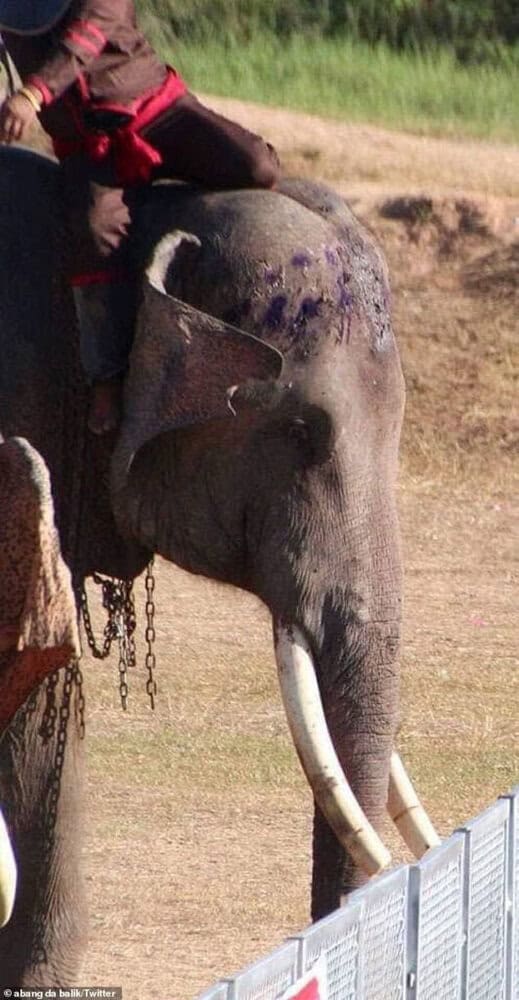
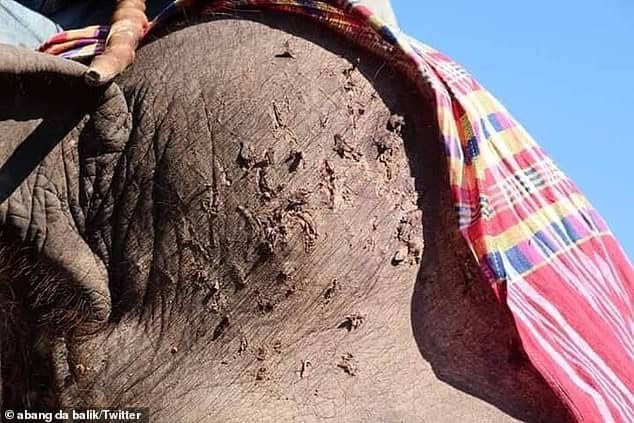
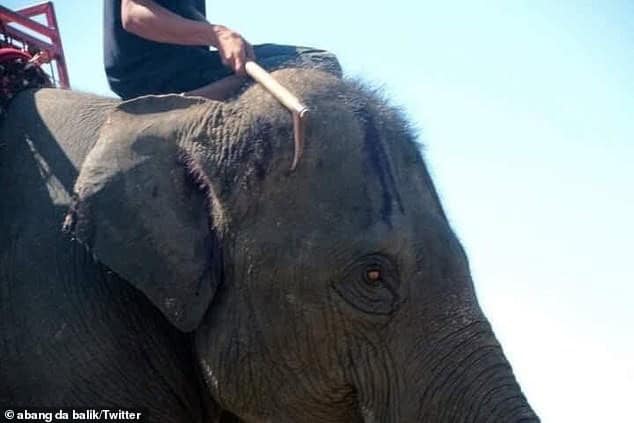
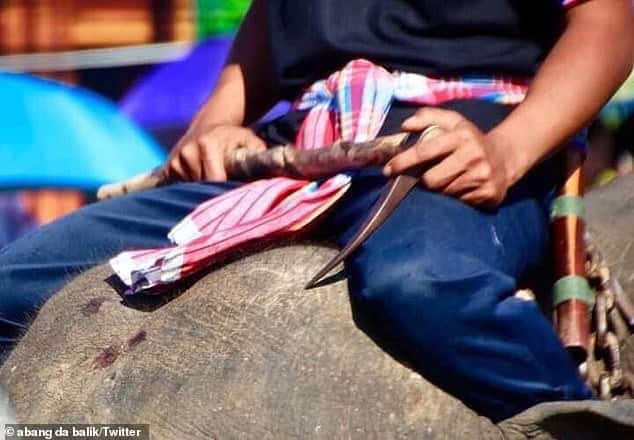
The elephants in the photos show visible signs of abuse, with blood dripping from their heads after being repeatedly struck with sharp metal hooks by their handlers.
One particularly distressing image shows an elephant with scars on the back of its head, evidence of previous injuries.
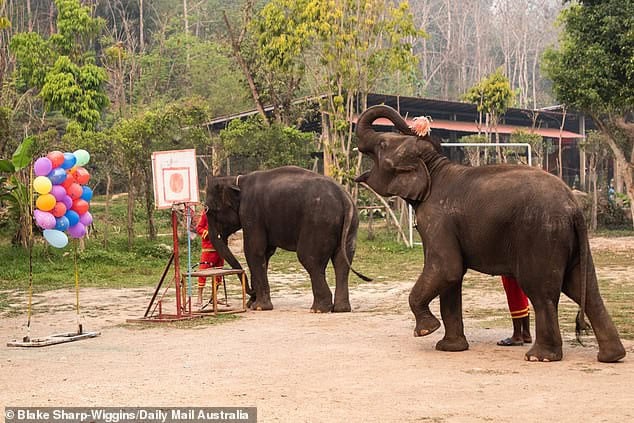
More than 800,000 Australians visit Thailand yearly, many of whom participate in elephant rides, watch the animals perform, or feed them at tourist attractions.
However, World Animal Protection estimates that around 3,000 elephants are used for entertainment across Asia, with 77% enduring harsh and inhumane treatment.
A Thailand’s Tourism Authority representative strongly urged tourists to avoid these activities, stating, “Please don’t ride the elephants and don’t support this business. We never support tourists riding the elephants,” in a statement to Yahoo News.
Dr. Patrapol Maneeorn, a wildlife veterinarian with Thailand’s Department of National Parks, Wildlife, and Plant Conservation, acknowledged the ongoing issue and emphasized the country’s efforts to address animal cruelty.
“We are working with various organizations and sectors to reduce and hopefully eliminate animal cruelty as much as possible,” Dr. Maneeorn stated.
Thailand is home to approximately 3,500 wild elephants and 4,500 domesticated ones. While wild elephants are legally protected, domesticated elephants are classified as working animals, making them more vulnerable to exploitation.
Despite these challenges, the Thai government has been working on multiple fronts, including policy reform, wildlife research, rehabilitation of injured animals, and cracking down on the illegal wildlife trade.
Dr. Maneeorn also highlighted that tourists play a crucial role in combating the mistreatment of elephants by refusing to support attractions that exploit them. “Travel businesses and tourists can assist by boycotting businesses that do not care for their animals properly,” he added.
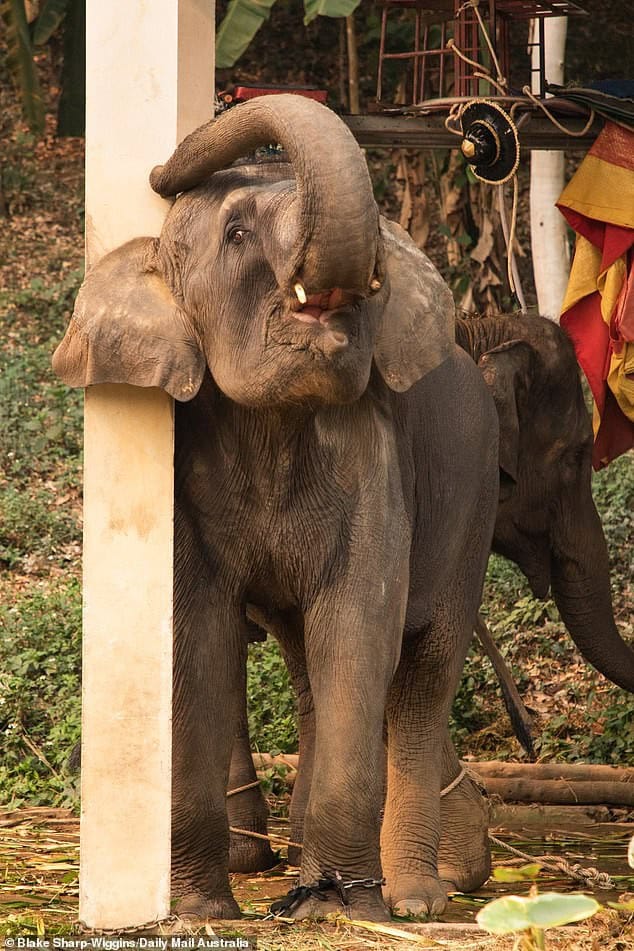
The domestication process for elephants is as brutal as the conditions they endure afterward. The animals are often chained, beaten with bullhooks, and underfed to make them submissive.
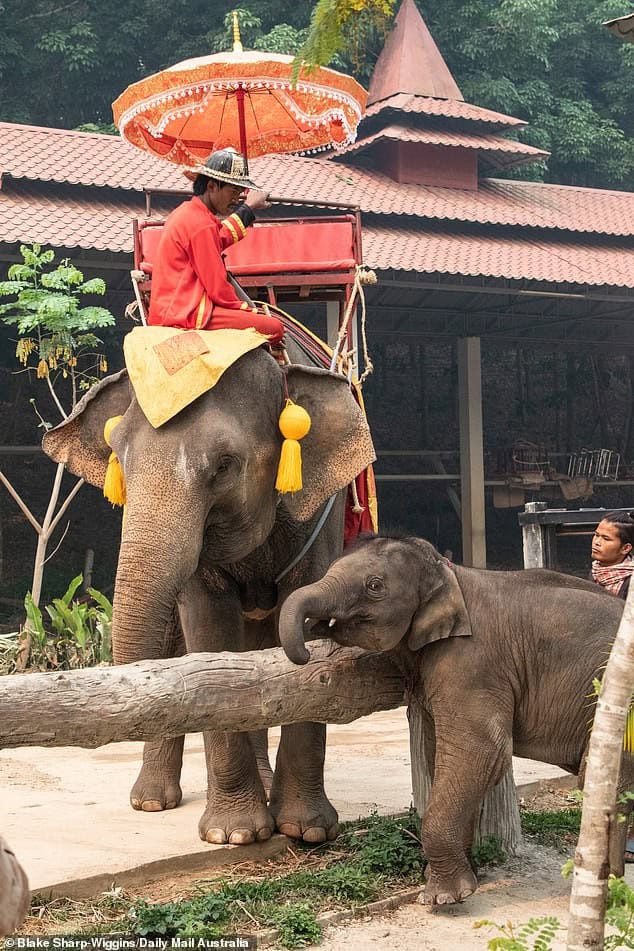
Many of these elephants display abnormal behaviors, such as swaying their heads side to side—a sign of stress rather than playfulness, as it is often misunderstood. Tragically, many elephants are separated from their mothers at a young age and forced into a life of mistreatment.
There are, however, sanctuaries like Elephant Valley in Thailand that are working to improve the lives of these animals.
At Elephant Valley, elephants are allowed to roam freely and are only fed by humans once a day, unlike other captive elephants forced to entertain tourists.
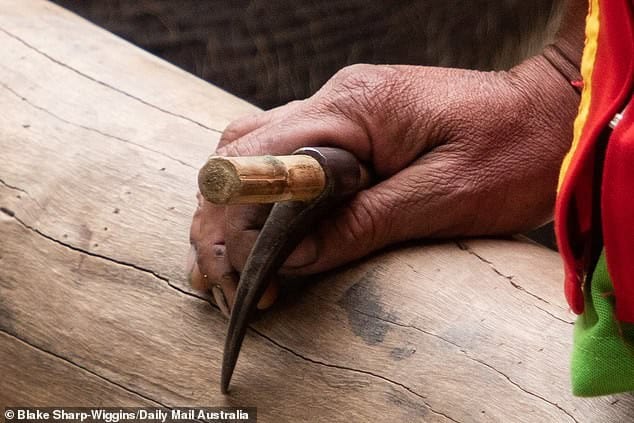
Jack Highwood, founder of Elephant Valley, explained the reality of domesticated elephants: “There is no such thing as a domesticated elephant. There are only elephants who have lost their will to fight back,” he told Daily Mail Australia in June.
This appeal for change reminds tourists to make ethical decisions and avoid supporting industries that harm animals for entertainment.
Read more Elephant News.


