
In Zimbabwe’s Hwange National Park, a heart-wrenching tragedy unfolded last year as approximately 160 elephants perished within weeks, succumbing to a severe drought.
Gripping images captured the devastating toll of the drought, igniting fears of further casualties in the future.
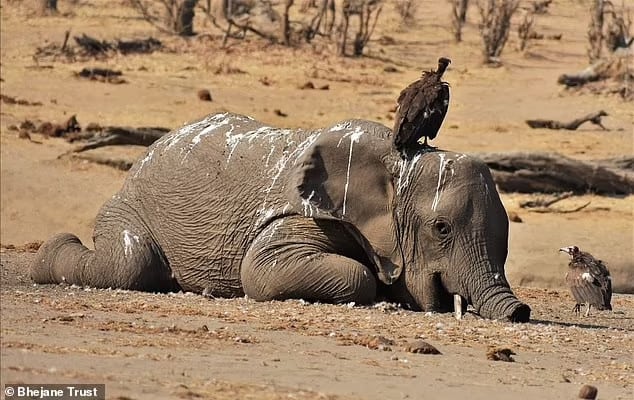
The prolonged absence of rain between February and November 2023 left the majestic elephants struggling for survival, unable to find adequate food and water.
By August, the situation had become dire, with the animals facing starvation and dehydration.
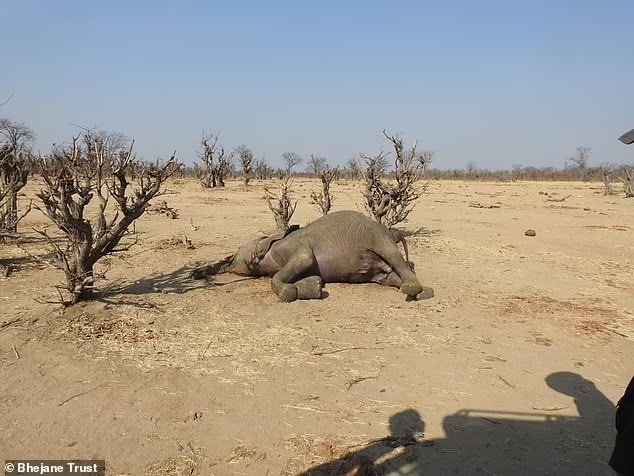
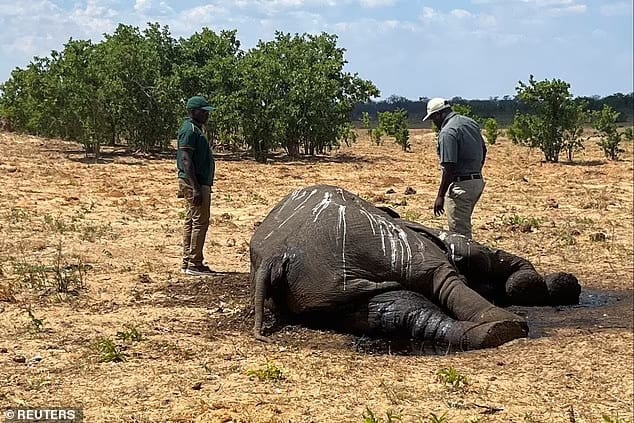
Distressing images depicted lifeless elephants scattered across the arid landscape, their remains scavenged by vultures.
Despite the arrival of rains in late November, the relief was too late for some elephants, found dead near water sources, unable to reach safety.
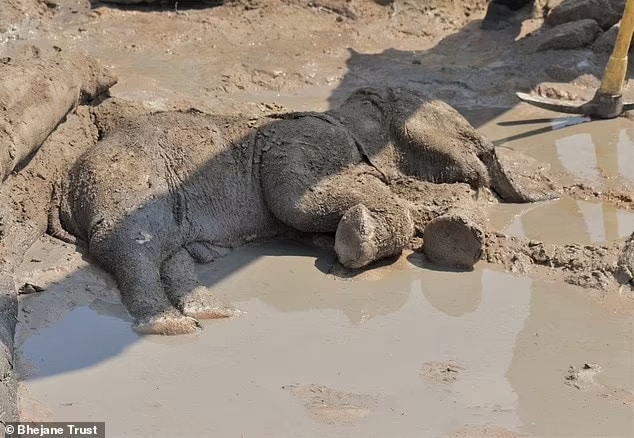
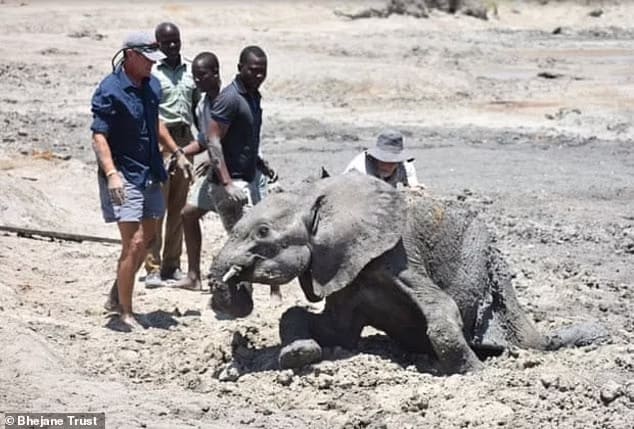
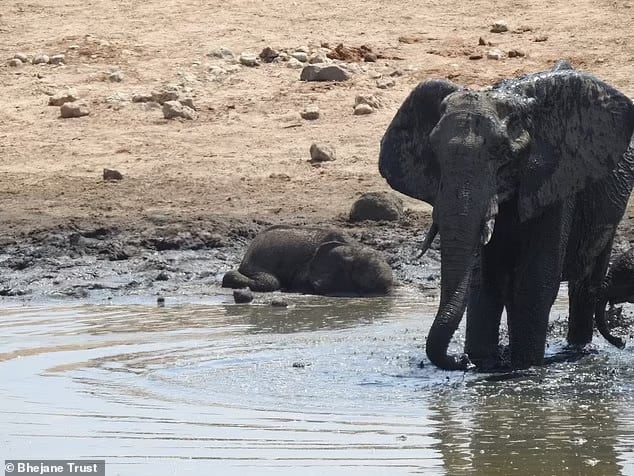
Tragically, even with the return of water, young elephant calves became trapped in mud and perished.
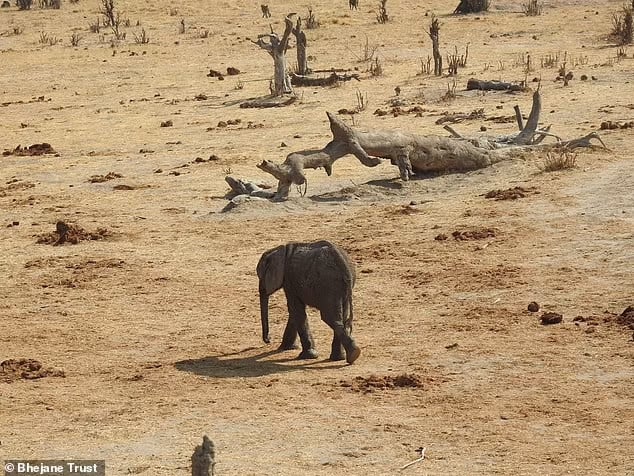
These distressing events underscore nature’s unforgiving cycle, where only the most resilient can endure.
One particularly poignant image captured a vulture perched atop the head of a juvenile elephant, a stark reminder of the harsh realities wildlife face in the wake of extreme weather conditions.
The devastating impact of the drought extended beyond the loss of elephants, with the park’s ecosystem deeply affected as the lack of water decimated their food supply.
The distressing scenes of dead animals served as a stark reminder of the grim consequences of climate change and weather patterns like El Niño on wildlife populations.
Trevor Lane, from the Bhejane Trust conservation group, described the heartbreaking scenes witnessed in the park, where elephants were too weak to stand, calves were left orphaned, and the stench of death permeated the air.
Lane emphasized that the true extent of the tragedy remains unknown, with many carcasses hidden deep within the wilderness.
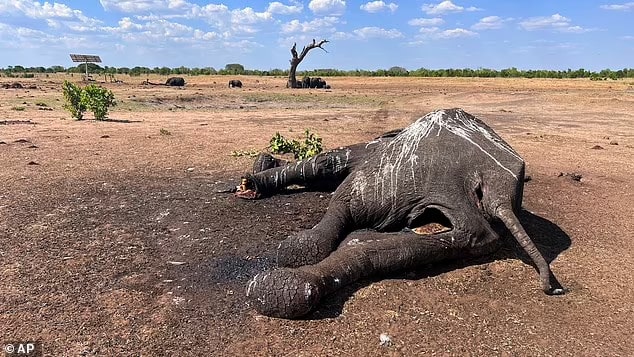
Estimates suggest that hundreds of elephants perished due to heat and food shortages, exacerbated by insufficient grass growth and drying vegetation.
Efforts to mitigate the crisis were hampered by limited resources, highlighting the harsh realities of nature’s survival struggles.
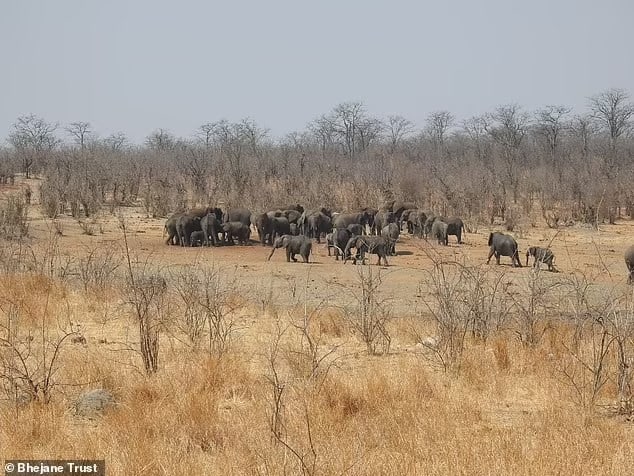
Conservationists recounted distressing scenes of over 1,800 elephants competing for access to a single water source, with orphaned calves left vulnerable amidst the somber landscape dotted with the remains of their kind.
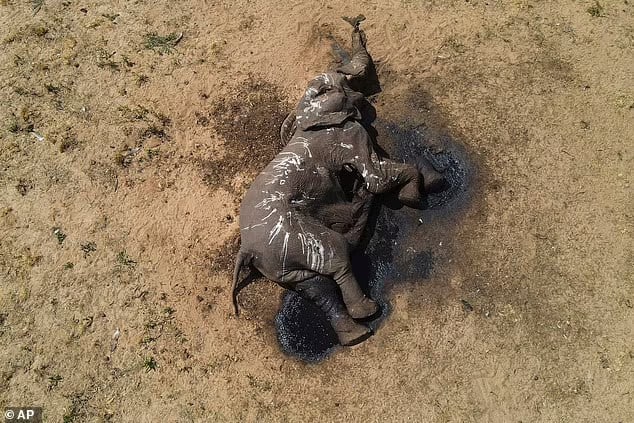
Officials issued a sobering warning, predicting further casualties due to an ongoing lack of precipitation and rising temperatures, particularly in regions impacted by the El Niño weather pattern.
Despite the challenges, park staff remain dedicated to rescue efforts, exemplified by their attempts to save a young elephant trapped in mud following heavy rainfall.
The plight of Zimbabwe’s elephants serves as a poignant reminder of the urgent need for conservation efforts to combat the devastating effects of climate change on vulnerable wildlife populations.
Read more Elephant News.


