
A young bottlenose dolphin found at El Trampolín beach in Ceuta has become the subject of a criminal investigation after videos from the shoreline spread online and the calf was later confirmed dead.
The footage, recorded on September 2, 2026, shows several people around the small dolphin and later carrying it along the beach. Spanish fact-checking outlet Newtral verified that the video was genuine and geolocated it to El Trampolín. However, the publicly circulated clip does not establish how the animal died.
What is confirmed
The environmental group Defensa de los Árboles y del Medio Ambiente y Bienestar Animal (DAUBMA) filed a formal complaint with Spain’s Guardia Civil. The group says it supplied additional photographs, videos and audio to investigators and alleges that the calf arrived alive and disoriented before being dragged from the water and struck.
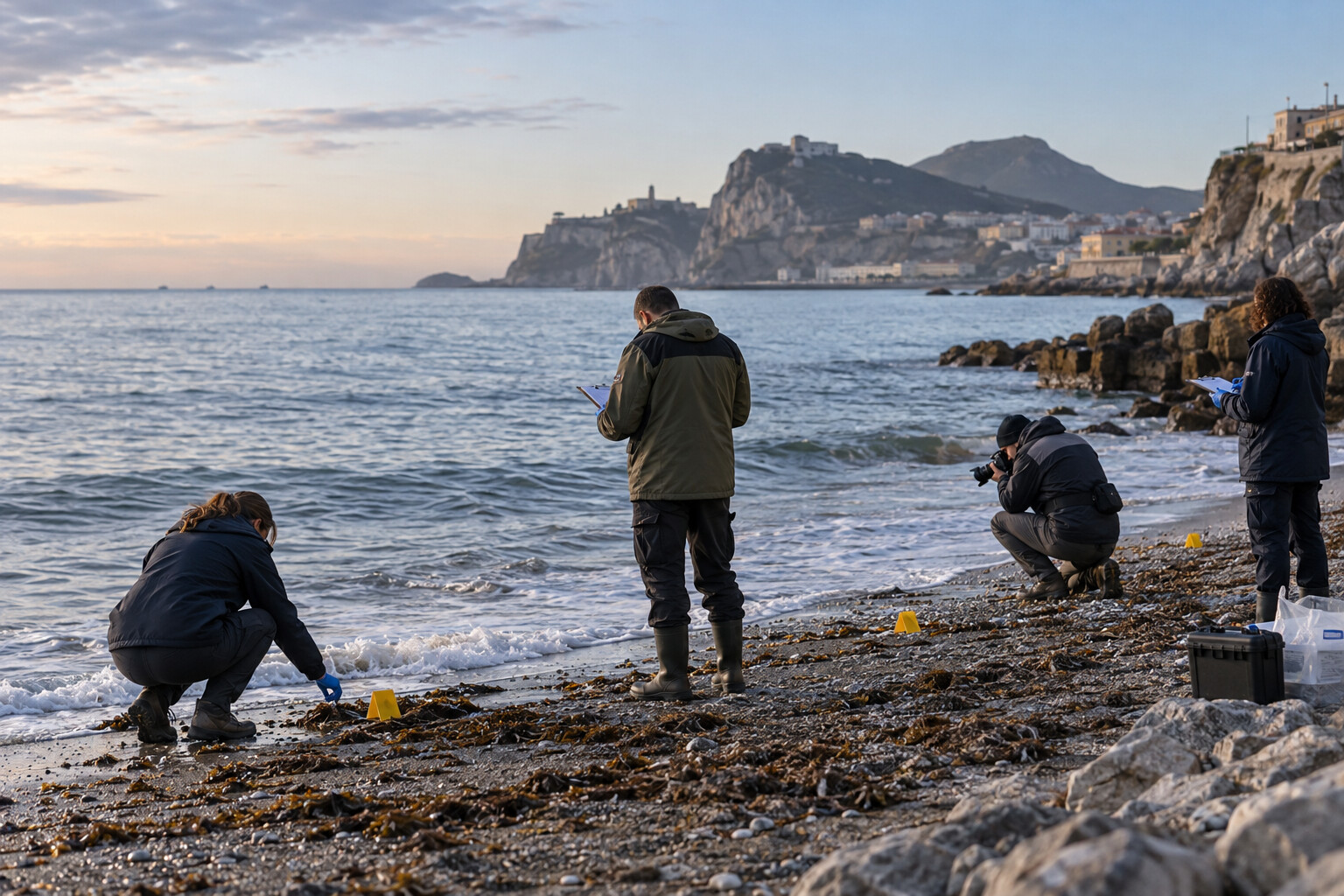
Those allegations have not yet been established by a court or technical report. People visible in the video reportedly said the dolphin was already dead. Newtral reported that it had not found publicly available images proving the viral claims that the calf had been hunted or fatally mistreated.
By October 1, Ceuta’s investigating court had registered the complaint as a criminal proceeding and opened preliminary inquiries into a possible offense involving protected marine fauna. The court was still awaiting technical reports to determine whether a crime occurred. No individual had been formally identified as responsible in the reporting reviewed for this article.
Why careful language matters
The images have prompted understandable concern, but a viral clip cannot substitute for a veterinary examination or an official investigation. It is important to separate three things: the verified video and location, DAUBMA’s allegations about events before the animal’s death, and the conclusions that investigators may eventually reach.
It is also wrong to assign collective blame. Reports describe the people in the area as migrants, but a person’s background does not prove legal responsibility. Responsibility, if established, belongs to specific individuals on the basis of evidence.
A stranded dolphin needs trained help
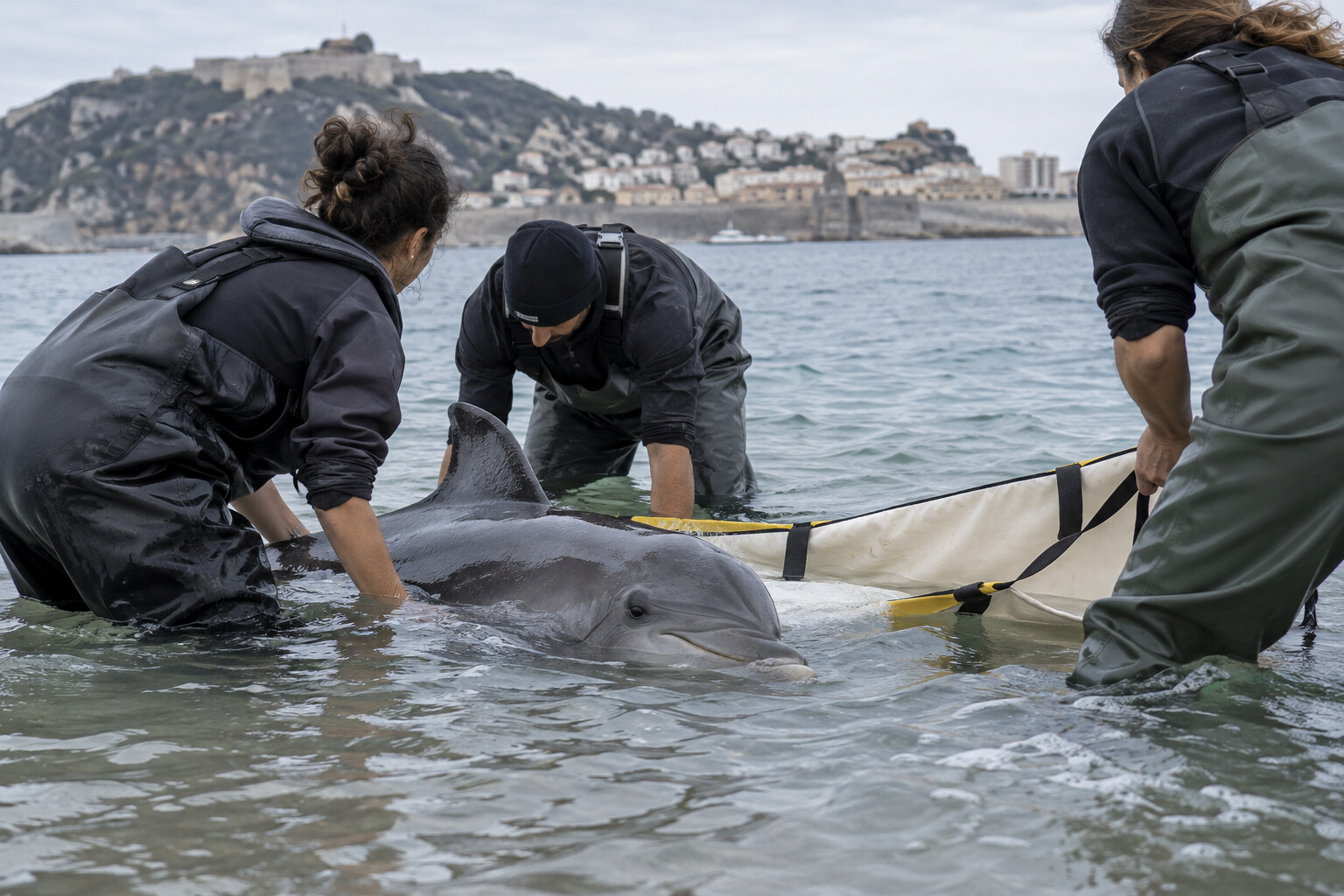
A dolphin on a beach is a wildlife emergency, not a photo opportunity. Crowding, lifting or dragging the animal can add stress and cause injury. The safest response is to keep people and pets back, contact local emergency or marine-wildlife authorities immediately, and follow the instructions of trained responders.
The Ceuta case now rests with investigators. Until the technical evidence is complete, the responsible conclusion is limited but clear: a protected young dolphin died, troubling footage exists, and the circumstances deserve a thorough and impartial investigation.
Sources
- Newtral fact-check, updated September 4, 2026
- Ceuta al Día court update, October 1, 2026
- Euronews report, September 6, 2026
