
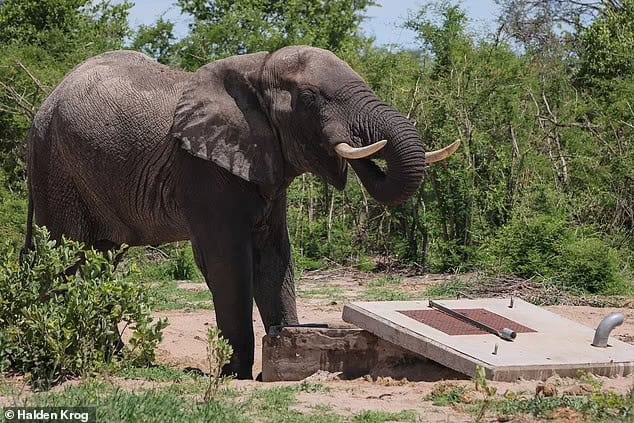
In the village of Phuduhudu, located in northern Botswana, a young bull elephant skillfully uses its trunk to drink from a water source meant for 1,500 villagers, situated 200 miles away from major civilization.
As temperatures soar to 90 degrees, the elephant drinks and splashes water over itself, seemingly enjoying a refreshing cooldown.
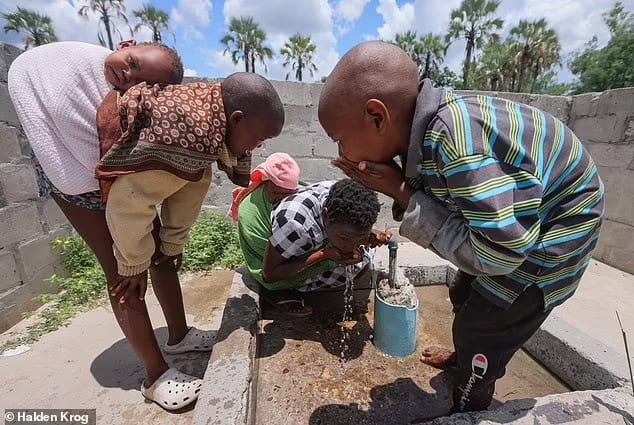
Nearby, 18-year-old Bafenyi Ngwengare, carrying her newborn on her back, stands by a tap, frustrated by the elephant’s consumption of their scarce water.
She emphasizes the critical importance of this water for the villagers’ survival, lamenting that the elephants deplete the supply before it reaches them.
Despite government efforts to repair the damage, local authorities report that elephants frequently damage water pipes, causing significant infrastructure problems.
This struggle over water is not isolated. Each year, elephants cause millions of dollars in damage while searching for underground water, often dismantling manholes.
The conflict has escalated as drought in southern Africa drives elephants from neighboring countries to Botswana in search of water.
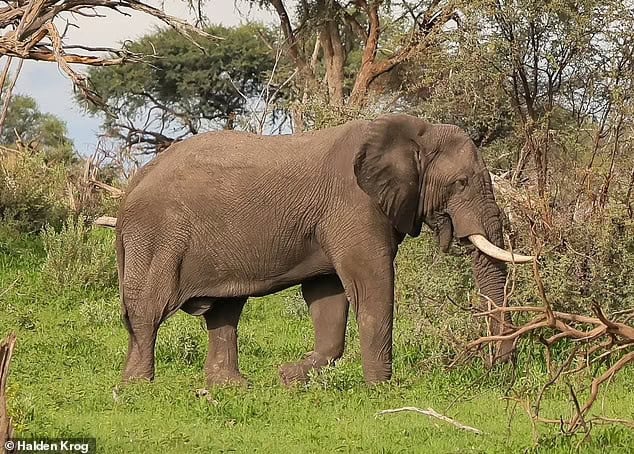
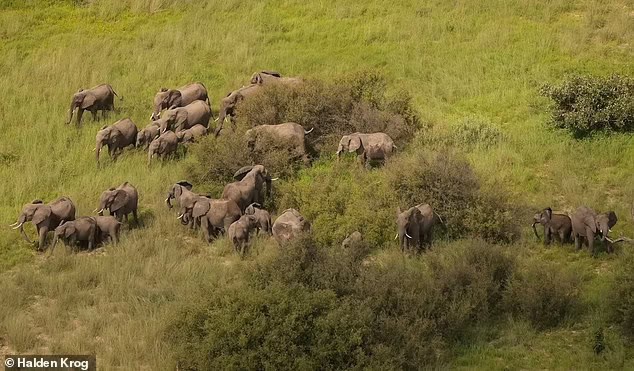
Botswana’s elephant population, which has grown from 130,000 to 153,000, heavily relies on water. A single adult elephant requires around 40 gallons of water daily, an amount a male elephant can consume in under five minutes.
While elephants are crucial to Botswana’s tourism industry, their increasing numbers are becoming a pressing issue.
In response, the government plans to relocate 8,000 elephants to Angola, though there are concerns about landmines in Angola that could threaten the elephants during relocation.
In Phuduhudu and surrounding areas, elephants regularly intrude into villages, roam roads, and even peer into kitchen windows, causing fear and tension among the residents.
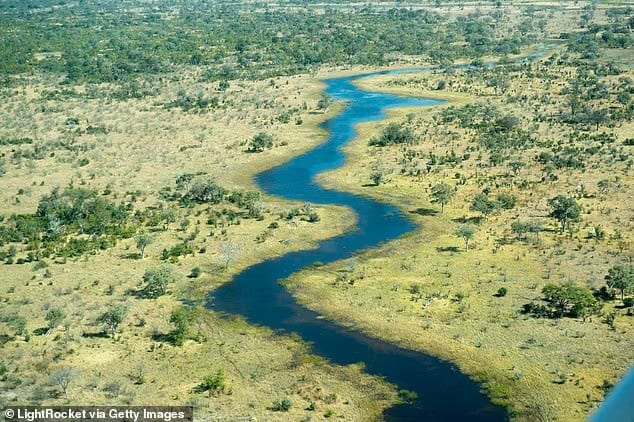
The situation is particularly dire in the Okavango Delta, where the elephant population has swelled due to migration from water-scarce regions, leading to significant damage to local farmlands and threatening villagers’ safety.
The conflict between humans and elephants has even turned deadly, with 67 fatalities and 26 injuries reported over the past decade in Botswana.
Residents, such as Rethokanang Mogedu, express deep concerns about the dangers of living near elephants, particularly for children who often encounter them on roads.
In addition to these conflicts, the rise in the elephant population has also attracted poachers, leading to incidents of elephant slaughter for ivory.
Conservationists are working to address the complex balance between protecting elephants and ensuring the safety and well-being of local communities.
Despite the challenges, Botswana remains committed to preserving its wildlife and natural heritage, which continues to be a major draw for tourists.
However, the tension between the economic benefits of tourism and the dangers posed by the growing elephant population remains a significant concern for local authorities.
Seeing a lone elephant drinking from a damaged pipeline near Phuduhudu is a poignant reminder of the ongoing struggle between humans and elephants over water resources in this arid region.
Read more Elephant News.


