
Disney’s “The Lion King” is celebrated for its powerful depiction of lion society, but how closely does it reflect the true lives of these majestic animals?
This article explores the film’s portrayal of lions and contrasts it with their social behaviors.
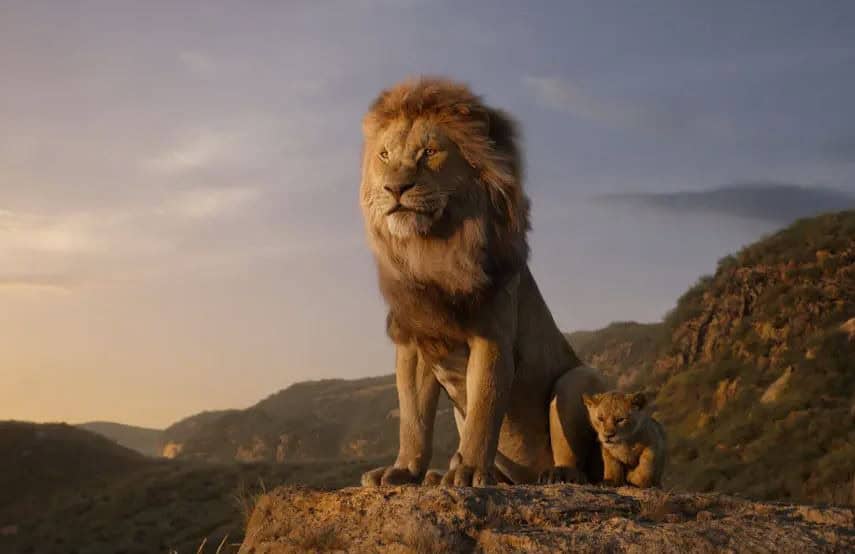
“The Lion King” follows Simba’s journey within a pride led by Mufasa, showcasing a close-knit family dynamic.
While this portrayal highlights the social structure of lion prides, real-life lion groups are often less harmonious.
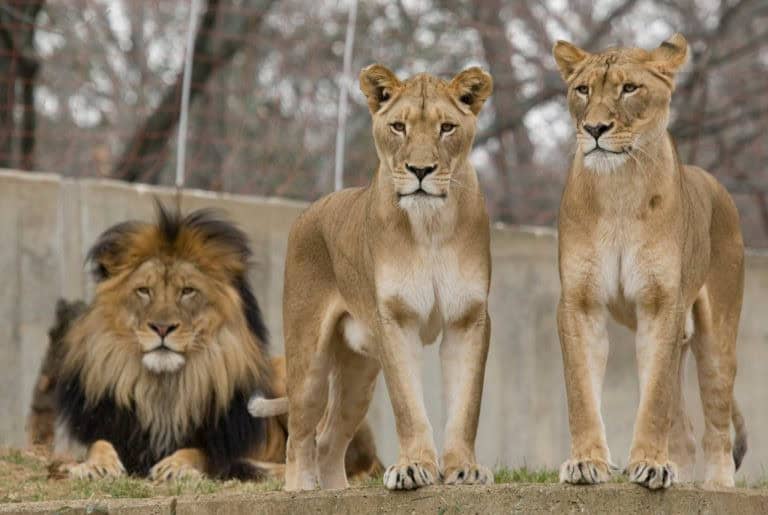
In nature, male lions form coalitions and compete fiercely for dominance. These power struggles can lead to territorial disputes and infanticide as males assert their control.
The film humanizes its lion characters, giving them complex emotions and personal struggles. Simba’s exile and return to reclaim his throne introduce themes of redemption and destiny. However, real lions are driven by survival needs rather than personal quests or existential dilemmas.
Lionesses are depicted as both fierce hunters and loyal supporters in the film. While this aligns with their roles in actual prides, “The Lion King” underrepresents their critical contributions.
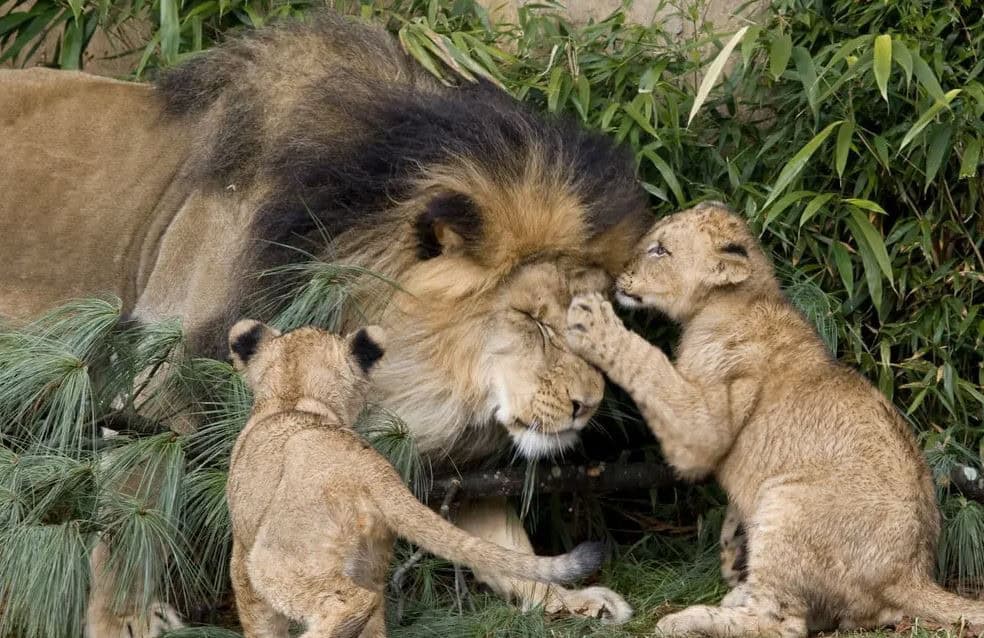
In reality, lionesses are essential for hunting and nurturing cubs, playing a crucial role in the pride’s survival.
Scar, the film’s villain, embodies human traits of ambition and deceit. While real lions can be aggressive, Scar’s elaborate schemes are more reflective of human political drama than genuine lion behavior.
Leadership changes in lion prides typically occur through physical dominance and coalition strength, rather than through deceitful manipulation.
Overall, “The Lion King” blends factual elements with imaginative storytelling, creating a compelling yet fictionalized view of lion society.
Understanding these differences helps us appreciate the real lives of lions and the artistic liberties taken to craft a memorable narrative.
Read more Wildlife News.


