
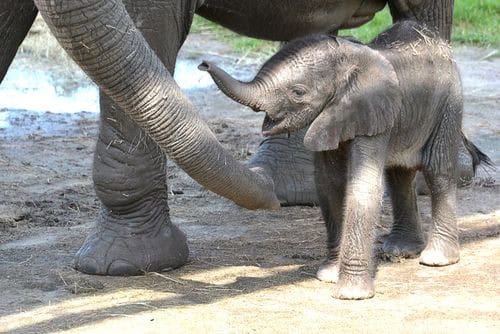
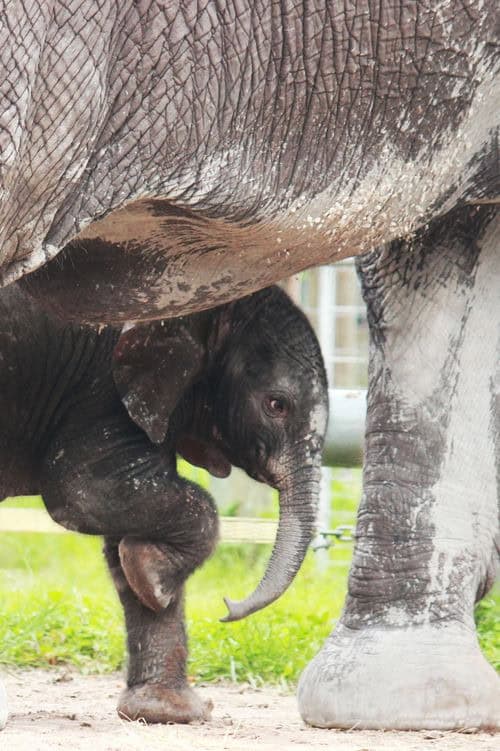
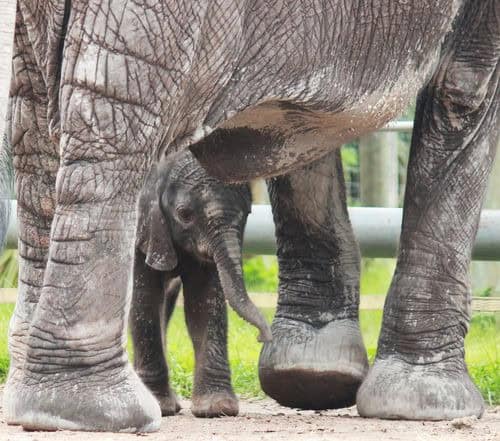
Tampa’s Lowry Park Zoo has welcomed a new elephant calf, capturing attention just seven months after the arrival of another baby elephant.
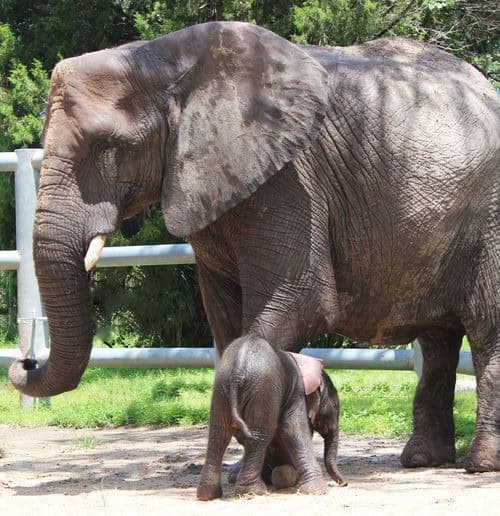
Born on July 29, the latest calf is the first offspring of Matejka, a first-time mother. During her labor, she was supported by herd members Mbali and her young daughter, Mpumi.
This calf is the second born at the zoo from a group of 11 elephants rescued from culling in Swaziland, Africa, and transported to the U.S. a decade ago.
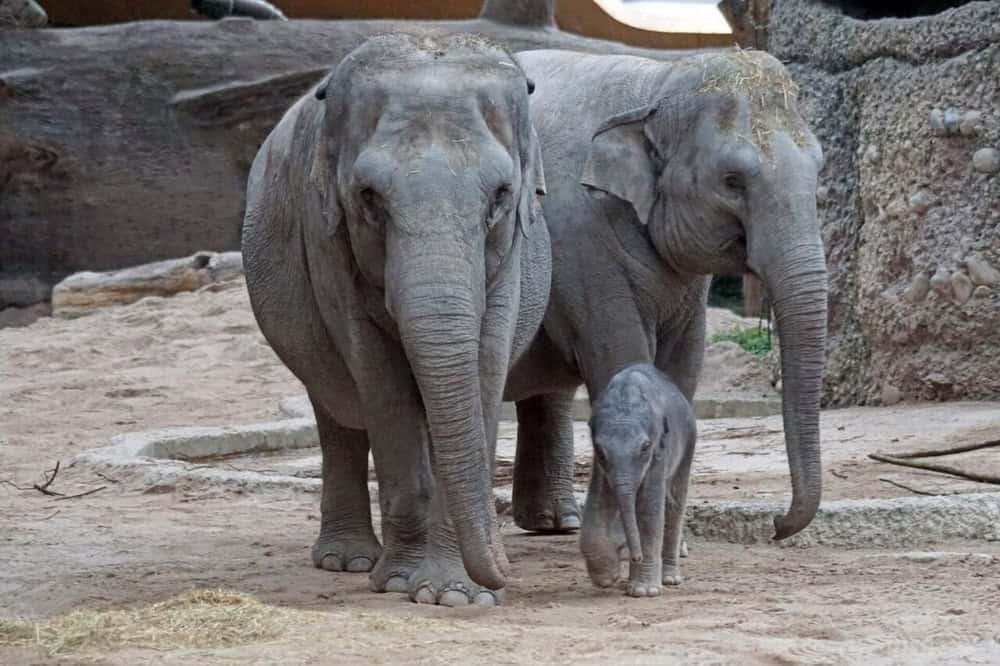
Like the female calf born last December, this newborn, fathered by Sdudla, is a valuable addition to the North American elephant population.
With only three to four elephant births occurring yearly, introducing new genetics is essential for maintaining a diverse gene pool.
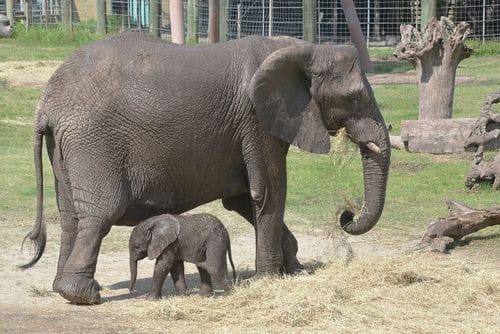
She is the first African elephant calf born in 2013 among AZA-accredited institutions in North America, the second from the Swaziland herd at Tampa, and the third in the zoo’s 25-year history.
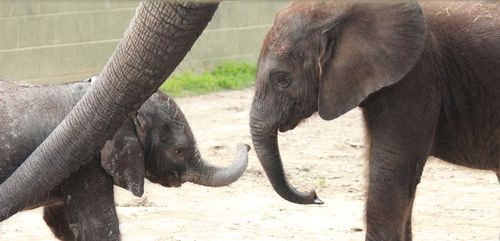
The new calf has already met little Mpumi, who has become a close companion. Matejka and her calf will remain off-exhibit to bond and acclimate to the rest of the herd. They will make their public debut in the outdoor yard once fully settled.
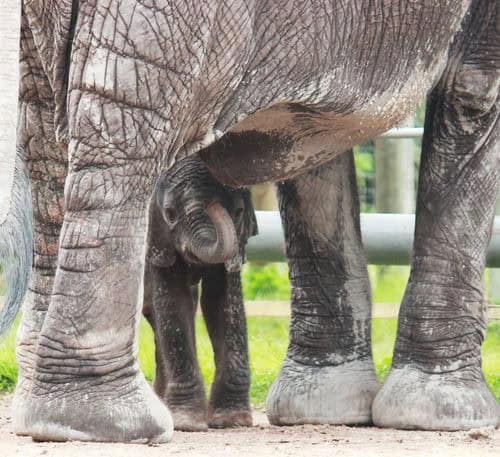
For more information on this important conservation effort and additional photos, continue reading below:
Lowry Park Zoo is one of 41 wildlife institutions accredited by the Association of Zoos and Aquariums (AZA), dedicated to caring for and conserving African elephants.
The African Elephant Species Survival Plan (SSP) aims to maintain a healthy, genetically diverse population of elephants in North America and their native habitats.
AZA President and CEO Jim Maddy emphasized the zoo’s key role in the SSP. “Tampa’s Lowry Park Zoo plays a vital role in the AZA African Elephant SSP, a crucial breeding and conservation program focused on sustaining elephant populations in North America and their native habitats,” Maddy said.
“Elephants in North American zoos contribute significantly to field conservation efforts, which is critical given the severe threats of illegal ivory poaching, habitat loss, and human encroachment. Additionally, research on elephants in human care advances knowledge in health, welfare, reproduction, and behavior, benefiting wild populations. Our continued efforts are essential for their future.”
In 2003, Tampa’s Lowry Park Zoo, in partnership with San Diego Zoo Global, airlifted 11 elephants from Swaziland, where they faced culling due to overpopulation. Four elephants were brought to Tampa, while seven went to San Diego.
Of the original four at Tampa, three remain, while the fourth bull, Msholo, was moved to San Diego Zoo Global for breeding in 2009.
Dr. Larry Killmar, the zoo’s VP of Animal Science and Conservation, remarked, “This month marks the 10th anniversary of importing the elephants from Swaziland. The recent birth is a significant milestone, achieving our goal of having all the females reproduce and support the sustainability of the North American managed population.”
Elephant reproduction presents challenges due to their long pregnancies and large calves. During Matejka’s 21-month gestation, the zoo’s animal care team provided daily check-ups and prenatal care, ensuring she received a nutritious diet and daily exercise.
Craig Pugh, executive director and CEO of Tampa’s Lowry Park Zoo, noted, “Thanks to the support from the Tampa Bay community, we have the resources and facilities needed to contribute to elephant conservation. Visitors can observe elephant families up close, essential for the species’ survival.”
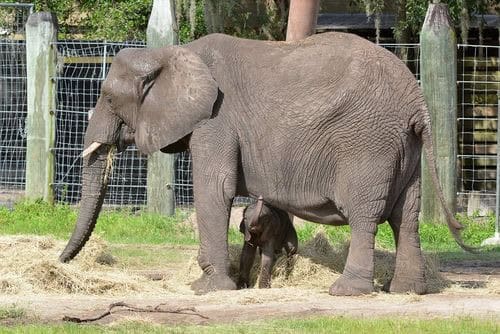
Matejka, about 21 years old and weighing 7,600 pounds, is part of the zoo’s herd, which also includes Sdudla (Swazi bull), Mbali (Swazi cow), Mpumi (7-month-old calf of Mbali), and Ellie (the herd’s matriarch). The zoo’s first-born elephant, Tamani, was relocated to Birmingham Zoo in 2012.
Despite the international ivory trade ban in 1989, elephant poaching in Africa has reached alarming levels, threatening many herds with extinction by 2020.
Tampa’s Lowry Park Zoo actively addresses this crisis by advocating for land expansion to enhance elephant conservation areas, supporting anti-poaching efforts, and promoting public education in Swaziland.
These efforts have led to a 10 percent expansion of the Mkhaya Game Reserve, benefiting elephants and numerous other protected wildlife.
Read more Elephant News.


