
Canada’s Senate passed a major bill to restrict the captivity of elephants and great apes on December 17, 2024—but the proposal never became Canadian law. Bill S-15 reached the House of Commons shortly before Parliament was prorogued on January 6, 2025. That parliamentary reset terminated the government bill before it could complete the legislative process.
The distinction matters because social-media posts can make the 2024 Senate vote sound like a current nationwide ban. It was a significant legislative step, but Senate passage alone was not enough. A bill must also pass the House of Commons and receive Royal Assent before becoming law.
What Bill S-15 proposed
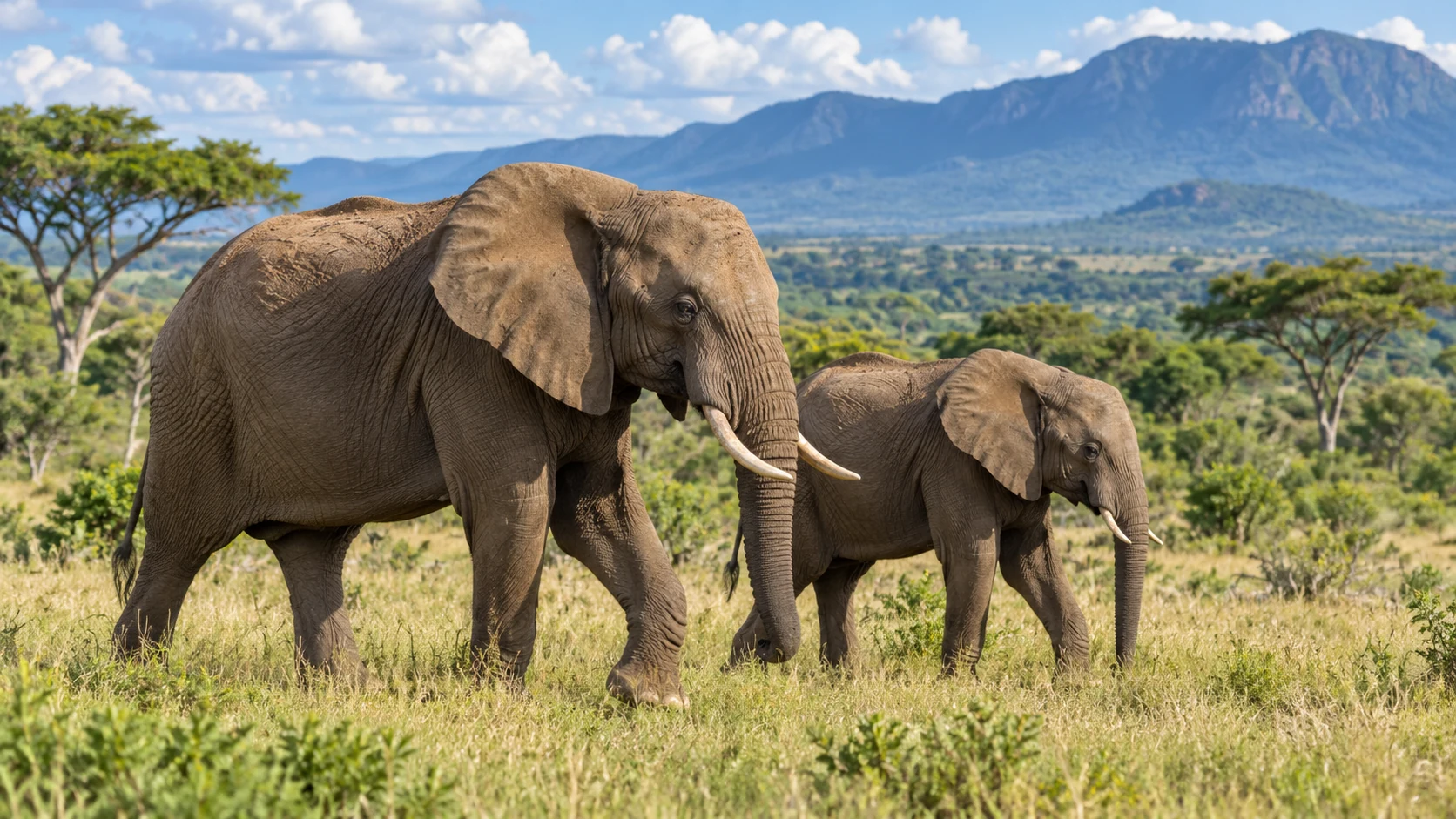
The federal government introduced Bill S-15 in the Senate on November 21, 2023. The proposal would have created new Criminal Code offences involving the possession, breeding and impregnation of captive elephants and great apes, while requiring keepers to take reasonable measures to prevent natural breeding.
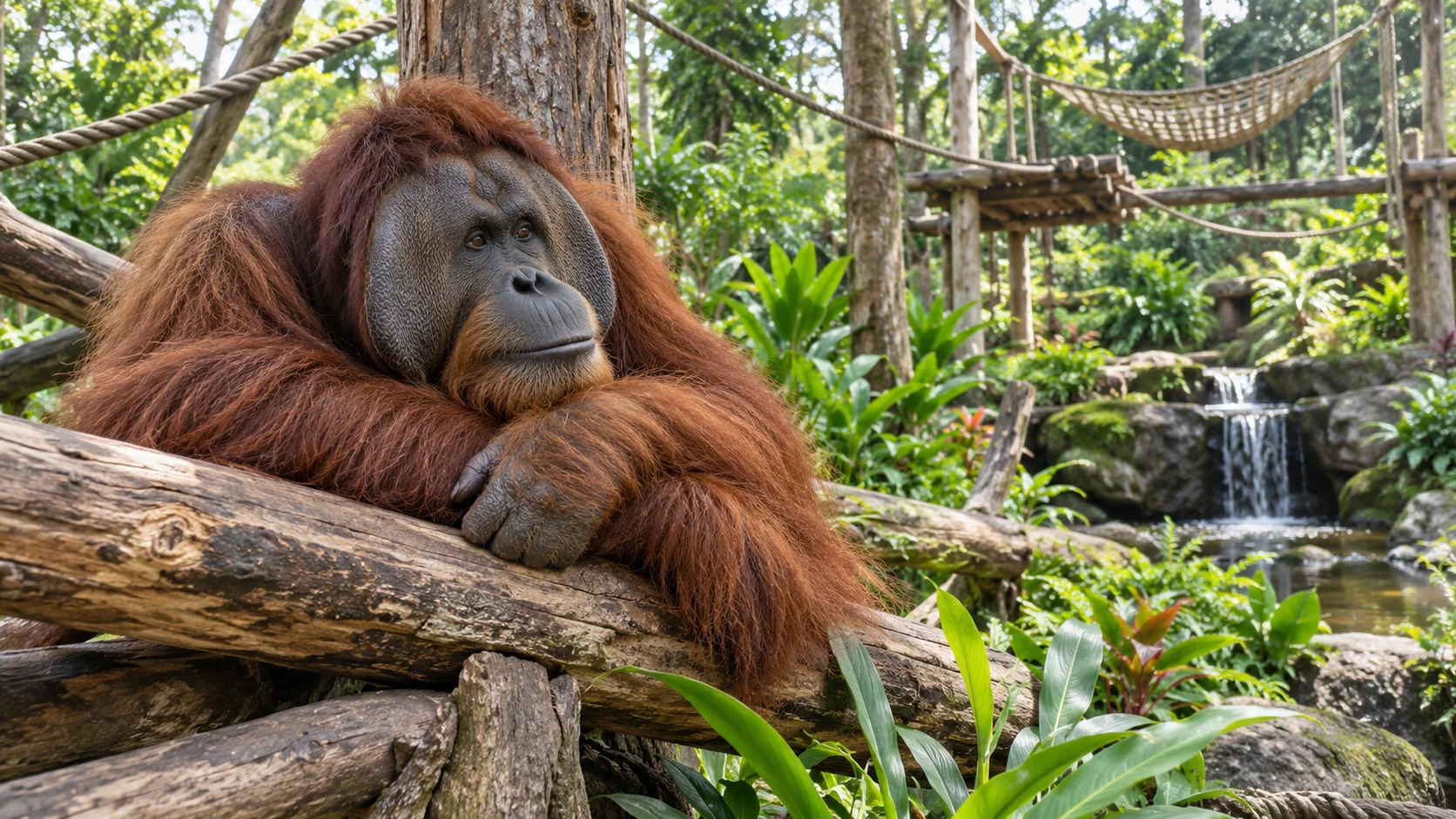
For the bill, “great ape” covered gorillas, chimpanzees, bonobos and orangutans. It also proposed restrictions on importing and exporting living elephants and great apes, along with rules against using them in entertainment performances or as conveyances, such as elephant rides.
The measure was not designed as an immediate removal order for every animal already living in Canada. It contained exceptions and permit pathways connected to an individual animal’s welfare, conservation and scientific research. Existing lawful keepers would have faced a different situation from someone seeking to acquire or breed more animals after the proposed rules took effect.
Why the bill attracted support
Elephants and great apes are highly intelligent and socially complex animals. Elephants live in close family groups, communicate over long distances and range across large areas in the wild. Great apes build social relationships, use tools and show sophisticated learning and problem-solving abilities.
Those traits have driven concern about whether conventional captive settings can consistently meet their behavioral, social and physical needs. Supporters of S-15 argued that Canada should prevent new captivity and breeding except in limited circumstances tied to welfare, conservation or research.
A Senate victory that did not survive prorogation
After committee study and debate, the Senate adopted Bill S-15 and sent it to the House of Commons on December 17, 2024. The timing proved decisive. Parliament was prorogued less than three weeks later, ending the session and terminating government legislation that had not completed passage.
Accordingly, Bill S-15 should be described as a failed bill or an unfinished reform—not as an active Canadian prohibition. Its text remains important as a record of the policy Canada considered and of the cross-party debate over elephant and great-ape welfare, but it has no force as law.
The episode still shows how far the captivity debate advanced. Senators formally endorsed a framework that would have limited new possession, breeding, transport and entertainment uses while preserving narrow welfare, conservation and research exceptions. Any future federal measure, however, would need to be introduced and pass through the full legislative process on its own terms.
Sources
- Parliament of Canada: Bill S-15 legislative history
- Parliament of Canada: Bill S-15 at third reading
- Environment and Climate Change Canada: introduction of Bill S-15
- Senate Government Representative Office: Senate passage on December 17, 2024
- BC SPCA: effect of the January 2025 prorogation
